Learn why recurrent ankle sprains stem from impaired mechanoreceptor signaling and delayed peroneal reflexes, and follow a 4‑stage neuromuscular retraining progression designed for field sports.
Read More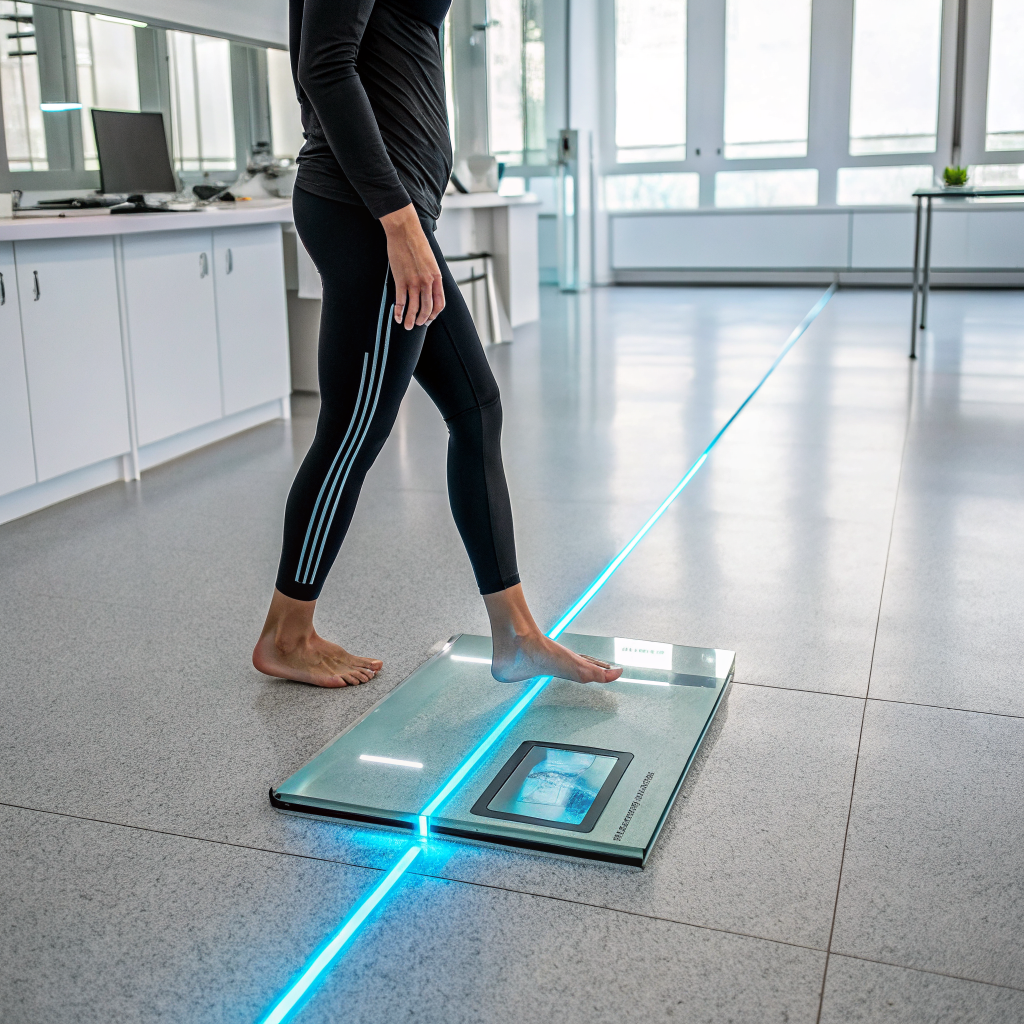
Learn why recurrent ankle sprains stem from impaired mechanoreceptor signaling and delayed peroneal reflexes, and follow a 4‑stage neuromuscular retraining progression designed for field sports.
Read More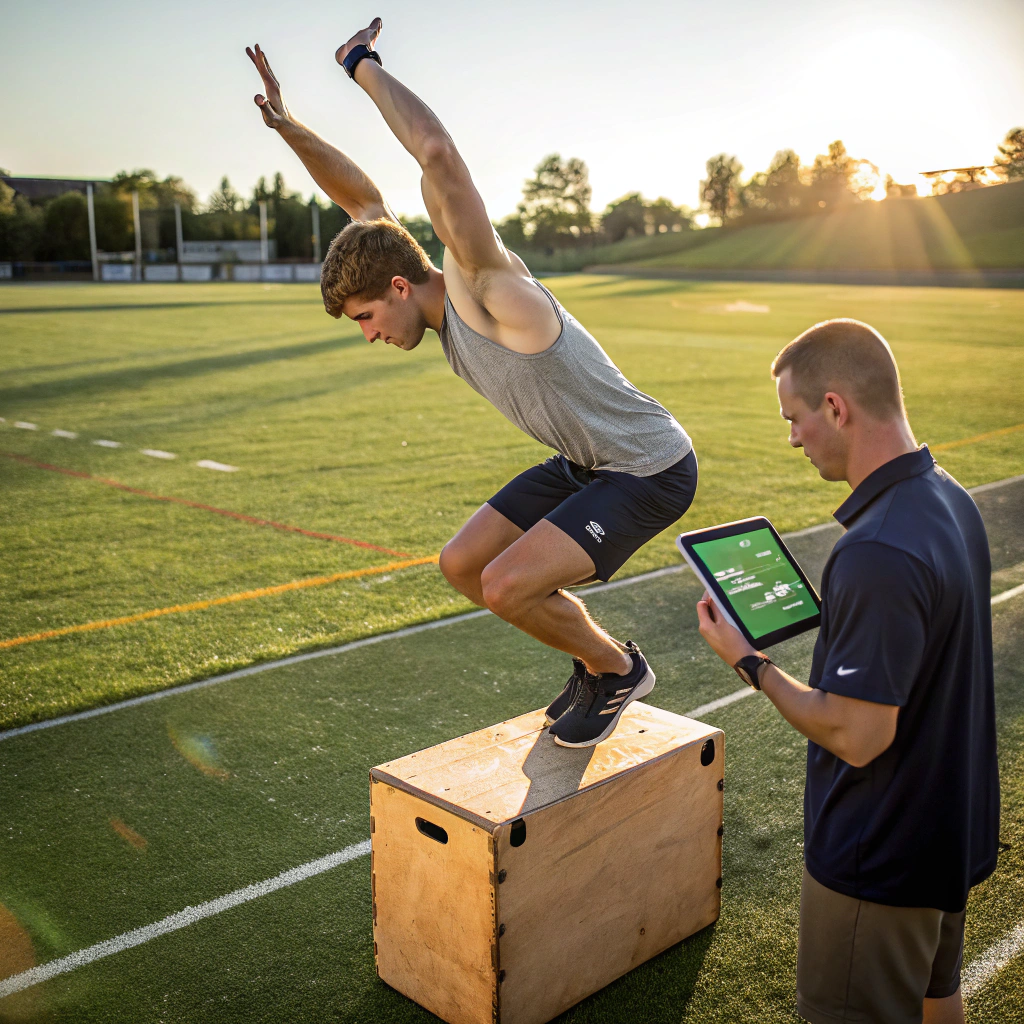
A step‑by‑step video analysis of jump‑landing progressions—from altitude drops to single‑leg stick landings and multidirectional bounds—highlighting hip‑hinge cues, knee tracking, and force‑dissipation strategies.
Read More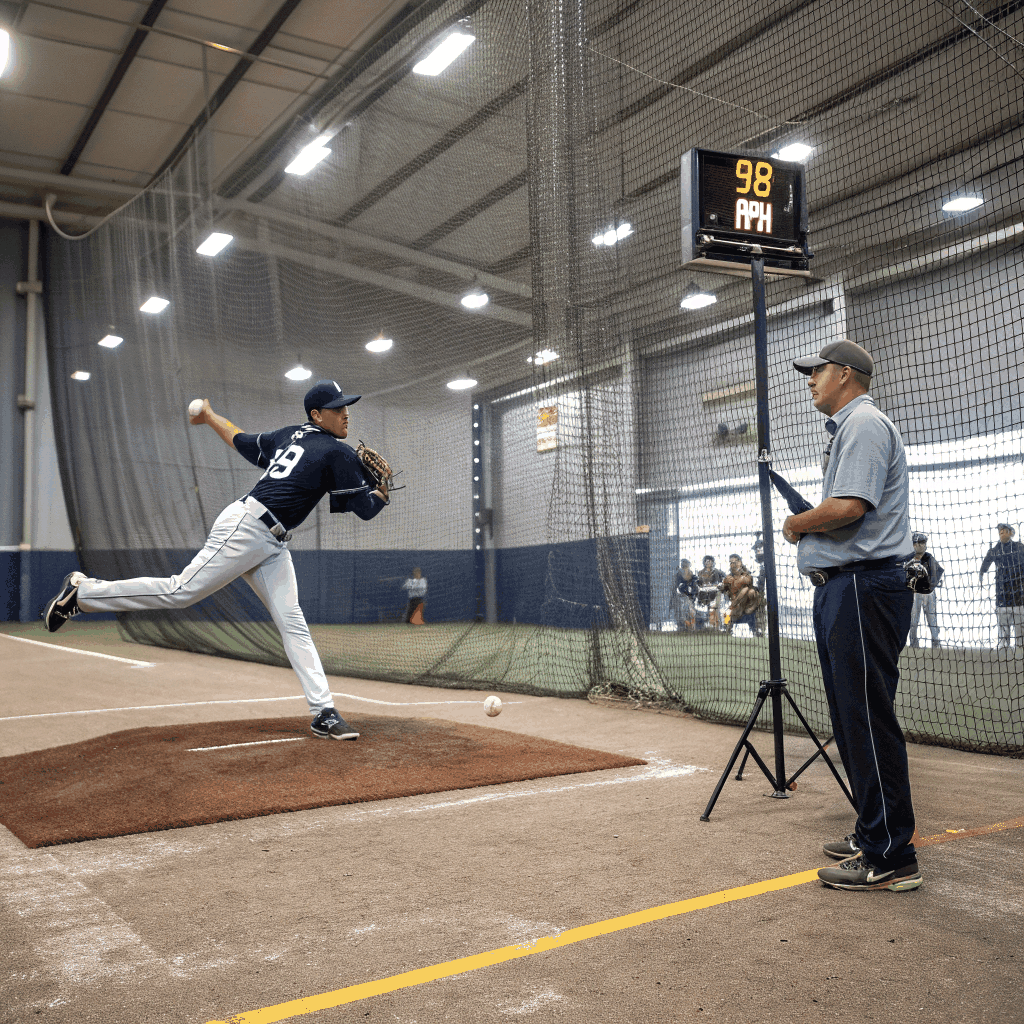
A deep dive into the foot‑plant to shoulder acceleration sequence for young pitchers, explaining how rotational energy leaks create elbow and shoulder strain and offering practical on‑field screening tools for coaches.
Read More
Learn how to spot and fix bilateral drive asymmetries in the first three strides of sprint acceleration using simple on‑field tools and observation techniques.
Read More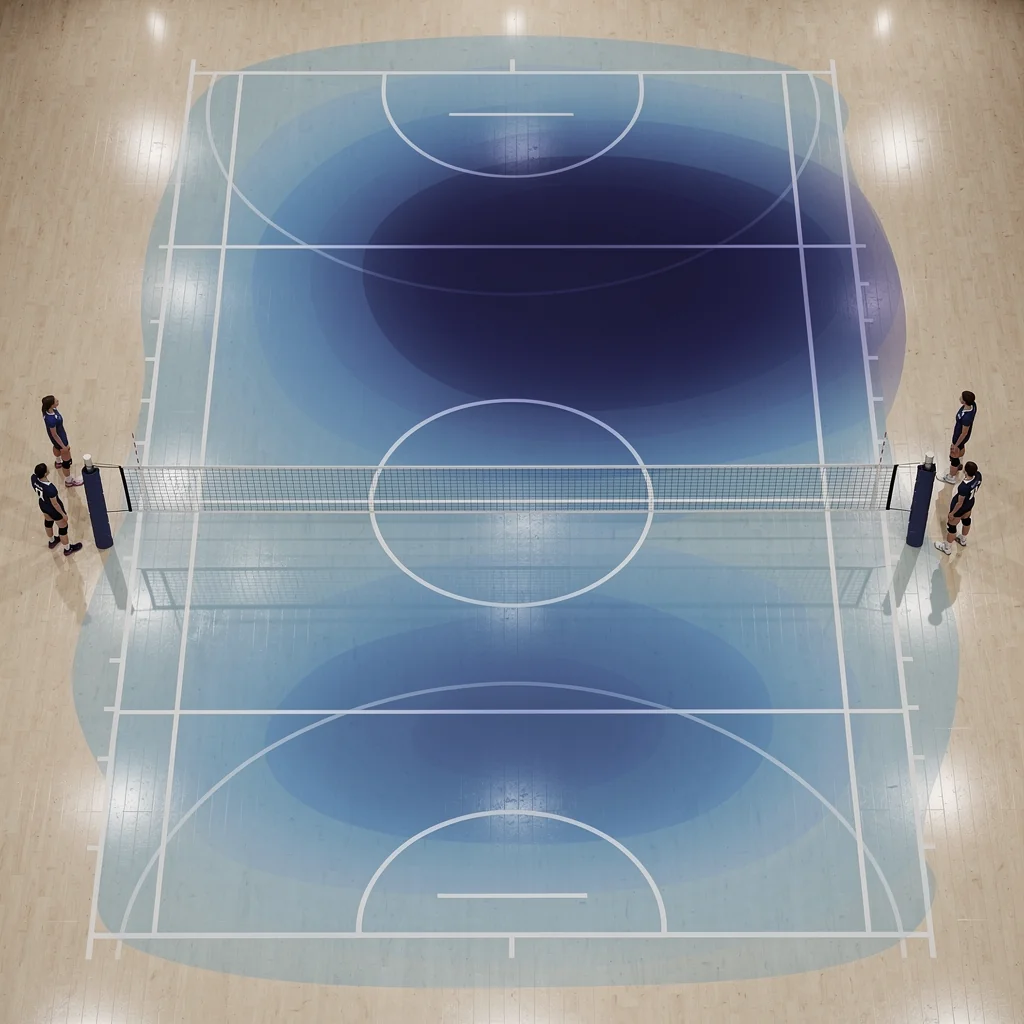
Learn how landing biomechanics, eccentric quadriceps loading, and hip‑ankle energy dissipation influence patellar tendon health, and discover screening tools to spot jumper’s knee risk in volleyball and basketball athletes.
Read More
Recurrent hamstring strains are often a symptom of anterior pelvic tilt and poor core‑pelvic stability during terminal swing, not just limited hamstring length. Learn the biomechanics behind the issue and three functional tests to uncover hidden deficits.
Read More